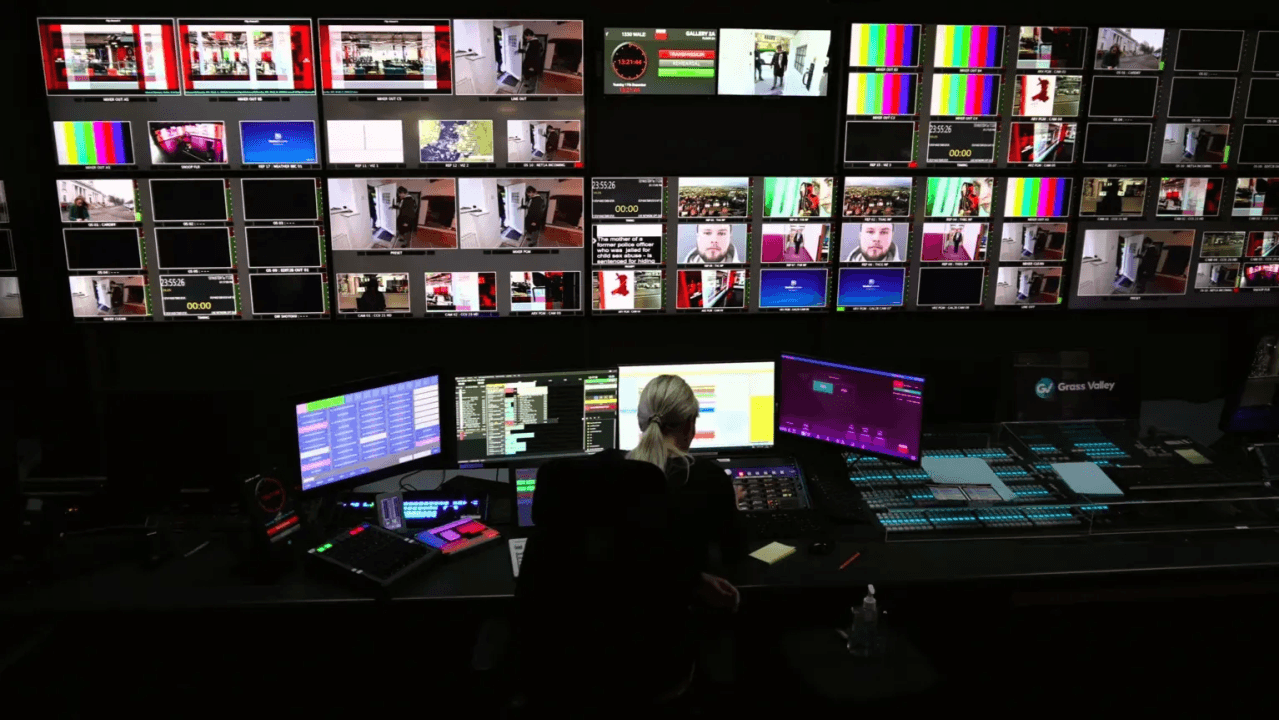
When people think about launching a television channel, they often imagine modern studios, sophisticated cameras, state-of-the-art technology and compelling content. Those are certainly important ingredients, but after spending more than two decades in international broadcasting and contributing to the launch of five television channels across Europe and the Middle East, I can say with confidence that they are not what determines success.
Launching a television channel is fundamentally a leadership, diplomacy and business transformation exercise, not simply a broadcasting project.
Long before the first programme reaches viewers, months of planning have already taken place. Broadcasting licences must be negotiated, regulatory approvals secured, distribution agreements finalised, satellite capacity arranged, editorial frameworks developed, budgets approved, commercial partnerships established, technology infrastructure commissioned, operational teams recruited and trained, and contingency plans prepared. Every one of these activities involves multiple stakeholders with competing priorities, tight deadlines and significant commercial investment.
Looking back, the greatest lesson I learned was that technology never launches a successful channel — people do.
Leadership over blueprints
Success depends on leadership. It depends on building trust with governments and regulators, negotiating mutually beneficial agreements with international partners, managing diverse multicultural teams, balancing editorial independence with regulatory obligations, and making difficult decisions when the stakes are high and certainty is impossible.
One lesson became apparent very early in my career: there is no universal blueprint for launching an international broadcaster. Every country presents a unique combination of political realities, regulatory frameworks, commercial environments and cultural expectations.
Launching a television channel in Bosnia and Herzegovina, a country rebuilding its media landscape after years of conflict, required navigating a highly complex regulatory environment, multiple government institutions and a politically sensitive media ecosystem. Success depended not only on technical planning but also on understanding the country's history, governance structures and public expectations.
Launching a broadcaster in Türkiye presented an entirely different challenge. The regulatory framework, licensing requirements, commercial market and audience expectations bore little resemblance to those in Europe. The strategy had to be adapted to local realities rather than relying on previous experience.
The editorial independence challenge
Perhaps the most fascinating experience came while launching a Pakistani television channel from Dubai. Many people assume that operating from another country automatically guarantees complete editorial independence. My experience taught me otherwise.
An offshore operation may provide operational flexibility, but it does not necessarily remove the political, regulatory and commercial realities of serving audiences in another jurisdiction. Governments have numerous legitimate regulatory mechanisms that can significantly influence broadcasters, including licensing arrangements, satellite distribution, accreditation, advertising, correspondent access and regulatory approvals. These realities require careful navigation, diplomacy and an in-depth understanding of the political landscape.
An editorial framework must satisfy regulatory obligations while protecting journalistic integrity and supporting the organisation's strategic objectives. When trust exists between governments, regulators, partners and broadcasters, problems are resolved more quickly, negotiations become more constructive and opportunities emerge that would otherwise remain inaccessible.
Cultural intelligence as a competitive advantage
One of the most rewarding aspects of international broadcasting is recognising that every project becomes an opportunity to learn from another culture. Leadership in one country may require consensus-building, while another demands rapid decision-making. Successful media executives understand that cultural intelligence is every bit as important as commercial acumen or technical expertise.
Launching a channel, however, is not the finish line. It is merely the beginning. The real challenge begins once the channel goes on air. Can it attract audiences in an increasingly fragmented media environment? Can it diversify revenue beyond traditional advertising? Can it embrace digital transformation, artificial intelligence and new consumption habits? Can leadership continue adapting while maintaining editorial credibility and operational excellence?
Studios can be built. Technology can be purchased. Content can be commissioned. But trust, leadership and strategic relationships must be earned. In my experience, those are the qualities that determine whether a television channel merely launches — or whether it succeeds.