In November 2006, a tiny Gulf state switched on an
English-language news channel and announced that it would no longer wait to be
understood. Al Jazeera English launched to 80 million households, double its
own target, and Qatar has been hard to ignore ever since.
Now look at two other wealthy, stable and beautiful
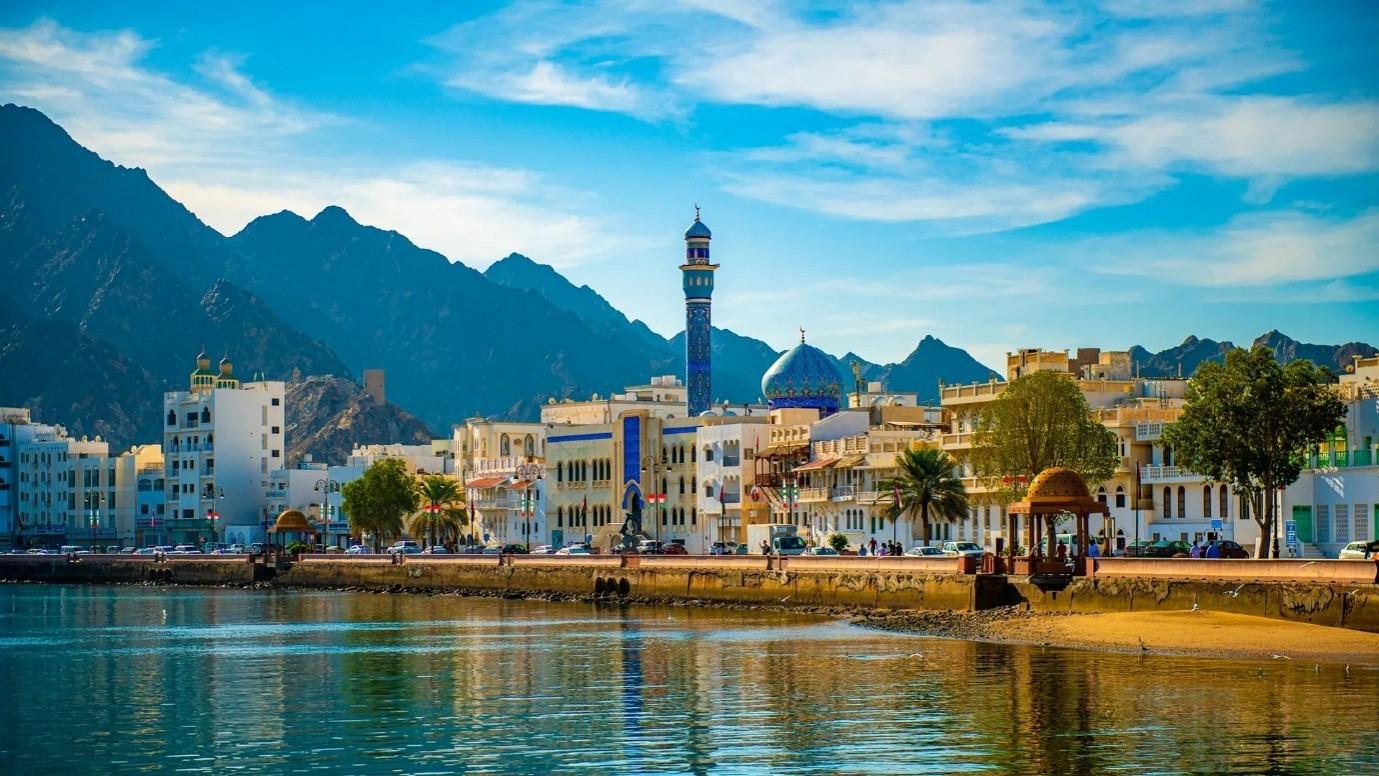
countries. Oman wants to roughly triple its visitors to 12 million a year by
2040. Brunei is racing to build an economy beyond oil and gas. Neither is known
for a 24-hour international English-language channel of its own.
Is that quiet dignity, or a very expensive blind spot?
Qatar: the small state with a big megaphone
Al Jazeera English went on air on 15 November 2006 from
Doha, with broadcast centres in London, Washington and Kuala Lumpur. It was
expected to reach about 40 million households and launched 10 80 million. The
original Arabic channel had begun in 1996 with a grant of roughly US$150
million from the Emir.
The money was never meant to be a return on investment. One
analyst noted that Al Jazeera has never made accounting sense, yet it made
Qatar relevant, which was the real payoff. By 2005 a Brandchannel survey had
already ranked the network as the world's fifth most influential brand. A 2006
estimate put its annual budget at around US$100 million, a small sum for a
gas-rich state.
The lesson is not that every country should copy Qatar. It
is that a voice you own lets you set the questions the world asks about you.
South Korea: reach needs steady funding
Korea took a different route. Arirang TV was founded in 1996
by the government under the slogan "Korea for the World, the World for
Korea". Its overseas channel began in 1999 and by 2016 was airing in 106
countries, including 24-hour HD on Sky UK and Freesat. It adds subtitles in
several languages to reach viewers who do not speak English.
But the story is not all success. A Korea Times interview
with Arirang's then chief described a chronic budget shortage, high staff
turnover and slow programme improvement. She also said the days of state-backed
English media churning out propaganda were over. Credibility, not volume, was
the goal.
Korea shows that a channel can be a long-term investment in
national image. It also shows that a half-funded channel can disappoint.
Oman and Brunei: big plans, small megaphones
Oman recorded 3.966 million inbound visitors in 2025, of
whom 2.714 million stayed overnight. Tourism generated about 2.7 per cent of
GDP, and the ministry's target is 12 million visitors a year by 2040, roughly
three times today's number. Between 2021 and 2024 the country logged 584
heritage and tourism projects worth RO 2.59 billion, about US$6.7 billion at
roughly 2.6 dollars to the rial. Its Vision 2040 aims for tourism to reach 5.3 per
cent of GDP.
Brunei has set five priority sectors under Wawasan 2035:
downstream oil and gas, food, services, tourism and ICT. Growth is real. GDP
rose 4.2 per cent in 2024, the highest in 25 years., and non-oil and gas
exports climbed from 3 per cent of exports in 2017 to 61 per cent in 2023. Yet
an AMRO analysis found tourism recovery lagging regional peers, citing limited
infrastructure and a lack of marketing and promotional campaigns.
Both countries have English-language newspapers and business
outlets. What I could not find is a dedicated, internationally focused English
channel. The investment is being built; the story is not being told at the same
scale.
The case for speaking up
- Silence
is not neutral. When you do not tell your story, search results, rivals
and strangers tell it for you. Tourists and investors choose what they can
picture, and a country that is hard to picture loses by default.
- The
targets need awareness. Tripling visitors, as Oman plans, means persuading
millions of people who today know little about it. Brunei's own regional
analysts flag thin marketing as a weakness.
- The
cost is small next to the stakes. Al Jazeera's budget was around US$100
million a year at launch, while Oman alone has logged billions in tourism
projects. Spending a tiny fraction to fill the rooms you have built is
basic asset management.
- A
trusted voice compounds. Al Jazeera made Qatar relevant, and relevance
brings visitors, deals and diplomatic access long after the programme
ends.
- Culture
travels when it is told. Both countries hold stories the world rarely
sees: Oman's frankincense trade, mountains and sailing heritage, and
Brunei's rainforest and water village life.
A smarter model: copy the logic, not the channel
What Qatar really proved is not that every nation needs a
satellite channel. It proved that a country gains something when it tells its
own story. Oman and Brunei could follow that idea in a way that suits their
character, and the evidence points to a handful of ingredients.
The first is audience. Al Jazeera English launched to 80
million homes, yet BBC World was then in 270 million, and reach alone never
guaranteed influence. Arirang's years of funding gaps tell a similar story: a
voice that matters needs distribution deals, programmes people actually choose
to watch, and a budget that lasts.
The second is tone. Oman is known for quiet diplomacy and
Brunei for calm and privacy, and both qualities already draw visitors and
investors. A national voice that matches them would sound like an open
invitation rather than a sales pitch, showing the country instead of shouting
about it.
The third is that some of this is already under way. Oman's
tourism offices in Beijing helped bring roughly 73,000 Chinese visitors with no
channel at all, and Brunei has been featured in an outside-produced series, The Airport Economist. Co-productions, partner-made content
and incentives that bring foreign film crews to shoot locally are natural
extensions of that approach.
Technology changes the shape of the project too. A small
English-language studio making short documentaries, explainers and podcasts for
YouTube, Instagram and TikTok costs far less than a 24-hour channel, and its
results can be counted. Series on ports, free zones, renewable energy, halal
industries and aquaculture would speak straight to the diversification plans
both countries have set out.
Finally, credibility rests on who is speaking.
Entrepreneurs, craftspeople and young graduates tend to persuade audiences
better than officials, and a voice judged by visitor arrivals, investor
enquiries and audience growth earns trust through results rather than claims.
Qatar chose a loud voice, Korea a patient one, and Oman
and Brunei have so far chosen quiet. If a country has the wealth, the stability
and the story, is staying silent wisdom or a missed opportunity? Should wealthy
nations that prefer privacy invest in telling their story abroad, and if so,
who should be trusted to tell it?
Notes on the figures
- Some
figures come from sources available online and may not be exact or
accurate, particularly those dated between 2006 and 2016.
- Oman's
visitor target varies by source, ranging from about 11 million to 12
million visitors a year by 2040.
- The
dollar figure is approximate.