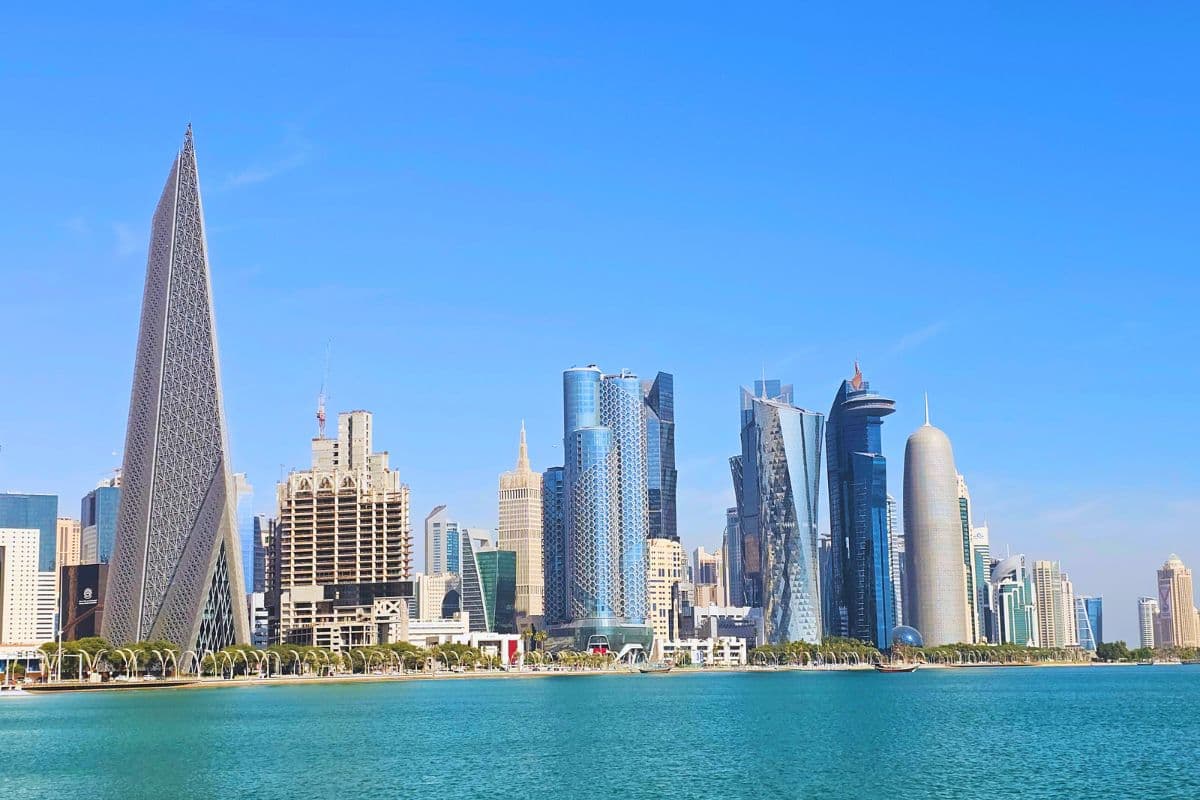
In the first part of this series, we examined how Dubai transformed itself from a regional trading centre into the Middle East's first truly successful media ecosystem. Dubai Media City demonstrated that governments could deliberately create creative economies by combining infrastructure, progressive regulation, investment incentives and international connectivity.
Today, however, the next generation of media cities is being built with a much broader ambition. The objective is no longer simply to attract television channels, production companies or advertising agencies. Governments increasingly recognise that media is a strategic national asset capable of shaping global narratives, enhancing diplomatic influence, attracting investment and projecting soft power. The competition has therefore evolved from creating media clusters to building platforms of global influence.
Among the countries pursuing this vision most aggressively are Qatar and Saudi Arabia.
Qatar: Building on Al Jazeera's foundation
Qatar's media strategy has always been closely linked to its ambition of establishing itself as an internationally influential nation despite its relatively small population and geographical size. Long before the term soft power became commonplace, Qatar recognised that influence in the modern world is determined not only by military capability or economic strength but also by the ability to communicate, shape narratives and remain relevant in global affairs.
The establishment of Al Jazeera Media Network in Doha in 1996 was arguably one of the most significant developments in the history of modern Arab broadcasting. At a time when much of the region's television landscape was dominated by state-controlled broadcasters, Al Jazeera introduced a new editorial model that encouraged robust political debate and international coverage, positioning itself as a genuinely global news organisation.
Having spent more than a decade at Al Jazeera Media Network, I witnessed first-hand its remarkable transformation from a single Arabic-language news channel into one of the world's most influential international media organisations. The launch of Al Jazeera English, together with its specialised channels and digital platforms, fundamentally changed the global news landscape by offering an alternative perspective to established Western broadcasters. Al Jazeera evolved into one of the world's most influential non-Western news organisations, significantly enhancing Qatar's international visibility and diplomatic influence.
Building upon the global recognition established by Al Jazeera, Qatar launched Media City Qatar to accelerate the development of a diversified creative economy. Unlike earlier media free zones that primarily sought to attract broadcasters, Media City Qatar has adopted a broader vision that encompasses digital media, film production, gaming, technology companies, content creators, advertising agencies and creative entrepreneurs. Media City Qatar now reports that it has licensed more than 500 companies, with approximately 60 percent classified as startups and nearly 70 percent originating from outside the Middle East. Its growing ecosystem includes internationally recognised organisations such as CNN, Dow Jones, Euronews, Agence France-Presse and The Associated Press.
Saudi Arabia: Vision 2030 and NEOM
Saudi Arabia has entered the competition with perhaps the region's most ambitious economic transformation programme — Vision 2030. Unlike many of its Gulf neighbours, Saudi Arabia possesses considerable scale. With a population exceeding 35 million people and one of the largest economies in the Middle East, the Kingdom views media and entertainment not simply as commercial sectors but as essential pillars of economic diversification.
Saudi Vision 2030 states that creative industries, entertainment, tourism, and culture are central to reducing dependence on oil revenues, while creating employment opportunities for Saudi citizens and improving quality of life. Saudi Arabia aims to nurture local creative talent, attract international productions, stimulate tourism and establish itself as a global destination for film, sports, gaming and digital entertainment.
The most ambitious expression of this vision is NEOM — not merely another smart city development, but an attempt to create an entirely new economic ecosystem centred on innovation, advanced technology and future industries. According to NEOM Media Industries, media and entertainment form one of the project's strategic pillars, seeking to develop state-of-the-art production facilities, virtual production studios and next-generation filmmaking technologies.
The bigger picture
These examples reveal an important pattern. Governments invest in media cities because they understand that media simultaneously creates economic value and strategic influence. A successful media hub does much more than accommodate broadcasters — it attracts international investment, creates highly skilled employment, develops local creative talent, strengthens national branding, supports tourism, enhances diplomatic influence, stimulates innovation, and connects countries to global creative industries.
In the twenty-first century, a nation's reputation is increasingly shaped not only by the strength of its economy but also by the stories it creates, the content it exports and the influence it projects. This explains why governments across the Middle East are investing billions of dollars in creative economies.
The competition between Dubai, Abu Dhabi, Qatar and Saudi Arabia is therefore no longer simply about attracting broadcasters. It is about attracting influence. The ultimate winners will not necessarily be those with the tallest buildings or the largest studio complexes. They will be the countries that successfully build complete creative ecosystems where talent, technology, investment, regulation and innovation converge.
In Part Three, we will examine the critical question: why do some media cities succeed while others fail? We will analyse the lessons from Dubai, Abu Dhabi, Bahrain, Qatar and Saudi Arabia — and identify the five essential ingredients required to build a sustainable media economy.