The MENA broadcast market is frequently described in superlatives — fastest-growing, most dynamic, highest potential. These descriptions are not wrong, but they obscure a degree of complexity that investors entering the market for the first time regularly underestimate. Understanding both the opportunity and the structural factors that shape it is essential for capital allocation decisions that hold up over time.
Scale and fragmentation
MENA is not a single media market. It is a collection of distinct markets — each with its own regulatory regime, linguistic nuance, viewing behaviour, and distribution infrastructure — that happen to share a broad geographic region and, in many cases, the Arabic language. A channel that performs well in Saudi Arabia may struggle in Egypt. A format that resonates in the UAE may need substantive reworking for the Levant.
This fragmentation is not a barrier to investment — it is the market structure that creates opportunity for specialists who understand it. The broadcasters and investors who have generated consistent returns in MENA are almost universally those who built market-specific strategies rather than pan-regional plays that assumed homogeneity where none exists.
The satellite ecosystem
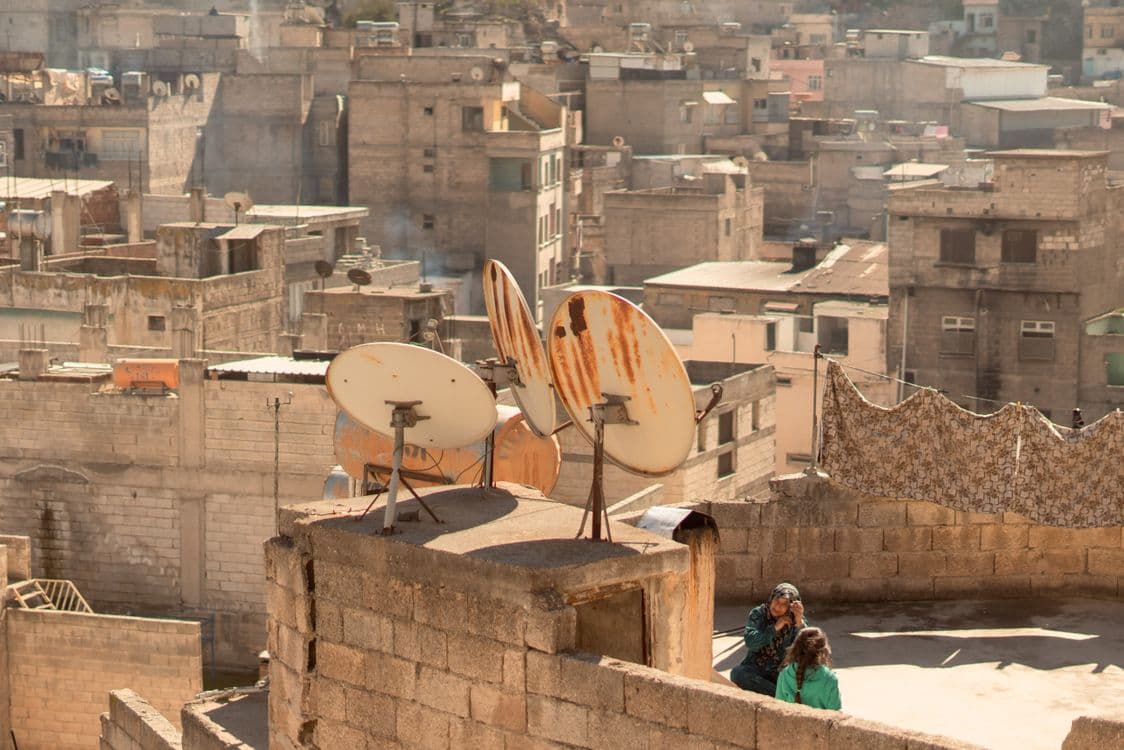
MENA's broadcast infrastructure was built around satellite distribution, and satellite remains the dominant free-to-air delivery mechanism across the region. Arabsat and Nilesat together reach effectively all Arabic-speaking households with satellite access — which, across much of the GCC and North Africa, is the substantial majority of television viewers.
The economics of satellite carriage in MENA differ significantly from European or American norms. Transponder costs, must-carry obligations, and the commercial relationships between channels and platform operators all require local knowledge to navigate effectively.
Advertising markets and their dynamics
Broadcast advertising in MENA is concentrated — in terms of both spenders and the channels that attract the majority of spend. A relatively small number of channels take a disproportionate share of the available advertising revenue, and breaking into the upper tier requires both audience scale and sustained investment in commercial relationships with the agencies and brands that control the budgets.
The advertising market is also more cyclical than in mature Western markets. Regional economic conditions, oil price dynamics in the GCC, and political events can produce significant variance in advertising spend year on year. Investors who model MENA broadcast revenues using Western advertising market assumptions consistently produce projections that fail to account for this volatility.
Regulatory environment
Content regulation across MENA varies significantly by country, but a consistent thread is the importance of understanding and working constructively within regulatory frameworks rather than seeking to minimise engagement with them. Government relationships in the broadcast sector across MENA are not peripheral considerations — they are often central to the commercial terms on which a channel can operate.
The streaming transition
Streaming adoption in MENA has accelerated significantly since 2020, driven by smartphone penetration, improved broadband infrastructure, and the entry of global platforms including Netflix, Amazon, and Disney+. The transition is reshaping viewing behaviour — particularly among younger, urban audiences in the GCC — but it has not yet displaced broadcast television as the dominant medium for news and live content.
For investors, the most important question is not whether streaming will eventually displace broadcast, but how the transition timeline in specific markets affects the investment horizon for broadcast assets. In some MENA markets, that timeline is shorter than investors assume. In others, broadcast will remain the primary medium for a demographically significant audience for considerably longer than Western comparisons suggest.
Where the opportunity lies
The MENA broadcast market offers genuine opportunity for investors with the right market knowledge, appropriate time horizons, and the operational relationships to navigate a complex regulatory and commercial environment. The most durable value has historically been created not by aggregating reach across the region, but by building genuine leadership positions within specific market segments — whether defined by country, genre, audience demographic, or distribution platform.